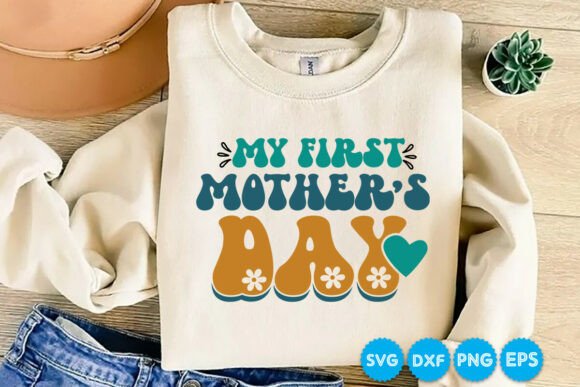
Review: My First Mother's Day Retro SVG for Embroidery
As a designer who spends more time staring at stitch maps than most people care to admit, I approach every new digital embroidery file with a mix of excitement and skepticism. We have all been burned by beautiful previews that turn into thread nests on the machine. So, when I pulled up the My First Mother s Day Retro SVG Design, I wasn't just looking at the aesthetics; I was mentally running it through my hoop, checking my stabilizer stack, and imagining how it would hold up on a washed-out cotton tote.
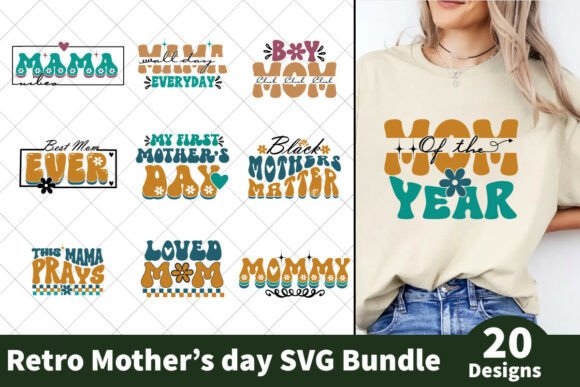
This design lands squarely in that sweet spot of nostalgia that is currently dominating the Crafts and Graphics markets. The retro vibe isn't just a trend; it is a mood. It evokes warmth, family history, and a specific kind of handmade charm that modern, ultra-clean vectors sometimes lack. For an Etsy seller or a boutique owner, this visual personality is gold. It tells a story before a single stitch is laid down.
First Impressions and Visual Personality
The first thing that strikes me about the My First Mother s Day Retro SVG Design is its layout. Retro designs often rely on curved typography and stacked elements, which can be tricky to translate into thread. However, the structure here feels intentional. The shapes are bold enough to suggest a solid fill stitch application, while the lines appear clean enough for a crisp satin stitch border if you decide to digitize it further or if the accompanying files support it.
The mood is celebratory yet intimate. It feels like something that belongs on a heirloom blanket or a favorite Sunday sweatshirt. For those of us creating handmade products, the "feel" of a design is just as important as the technical specs. This graphic has a friendly, approachable energy that resonates well with customers looking for personalized gifts. It avoids being overly cutesy, which gives it a longer shelf life in a product catalog.
Real-World Application: The Tote Bag Test
To truly evaluate this asset, I imagined a specific real-life scenario: preparing a custom order for a local mom-and-pop coffee shop that wants to sell limited-edition merchandise for Mother's Day. They requested a tote bag design that feels vintage but modern. The My First Mother s Day Retro SVG Design fits this brief perfectly.
In this context, the design would likely be applied to a natural canvas or a heavy-weight cotton twill. These fabrics have a bit of fabric texture, which can sometimes eat up fine details. Because this design leans into a retro aesthetic, it generally tolerates slightly heavier stitching without losing its character. If I were running this as a machine embroidery design, I would lean towards a higher density fill to ensure the colors pop against the natural beige of the canvas. The result would be a sturdy, high-value item that looks professional rather than like a home hobby project gone wrong.
Alternatively, consider sweatshirt embroidery. A heather grey fleece provides a fantastic backdrop for retro colors. The softness of the fleece pairs well with the nostalgic theme. However, fleece requires careful attention to stabilizer choice. You would need a cut-away stabilizer to prevent the design from sinking into the nap of the fabric over time. The visual weight of this SVG suggests it can handle the loft of a sweatshirt without getting lost.
Technical Considerations for Stitching
While the vector file itself is scalable, moving from a screen graphic to a stitched finished product requires critical thinking. The product description notes that you receive an SVG, DXF, and PNG. It is crucial to remember that an SVG is a cut file or a graphic vector, not necessarily a pre-digitized stitch file unless specified by the vendor. If you are using this for embroidery, you must ensure you have the appropriate software to convert these vectors into a valid embroidery file format compatible with your machine, or verify if a stitch file is included separately.
When converting or reviewing the stitch map, pay close attention to stitch density. Retro fonts often have thick strokes. If these are filled too densely, you risk needle breakage or fabric puckering, especially on stretchy materials like t-shirts. On the flip side, if the density is too low, the backing will show through, ruining the premium look. I always recommend testing the design on scrap fabric first. Run a test on the same material you intend to sell.
There are specific scenarios where caution is advised. If you plan to use this on a cap, the curved surface adds complexity. Small details or tight corners in the lettering might pull or distort. Similarly, if you are aiming for a tiny embroidered patch, ensure the smallest elements of the design are wide enough to be stitched cleanly. Tiny lettering is the enemy of durability; if the text is too small, it will become illegible after a few washes.
Maximizing Value for Small Businesses
For small shop product creators, consistency is key. The My First Mother s Day Retro SVG Design offers a strong foundation for brand consistency. Because it works well on various items—from baby embroidery on onesies to holiday embroidery on kitchen towels—it allows you to create a cohesive collection. A customer who buys a shirt might come back for a matching pillow cover if the design language remains consistent.
The inclusion of a high-resolution PNG (300 dpi) is a significant bonus for marketing. Before you even stitch a thread, you can create printable mockup images for your online store. This allows you to gauge customer interest and build hype. For an Etsy seller, having professional-looking mockups can be the difference between a scroll-past and a sale. The transparent background ensures you can place the design on any color garment in your photoshoots.
Practical Designer Notes
Before committing to a production run, keep these practical tips in mind:
- Check Thread Contrast: Retro palettes often use muted tones. Ensure your thread colors have enough contrast against your chosen fabric. A dark thread on a dark navy sweatshirt might look moody, but ensure the design remains legible.
- Verify Licensing: Always confirm the license terms before selling. Can you sell the physical custom apparel? Can you sell the digital file? Knowing this protects your craft business from legal issues.
- Stabilizer Strategy: For knits and stretchy fabrics, a cut-away stabilizer is non-negotiable for longevity. For woven items like tote bags, a tear-away might suffice, but test first.
- Hooping: Confirm your hoop size limits. While SVGs are infinite in scale, your machine is not. Ensure the design fits within your available hoop without needing excessive re-hooping, which can lead to alignment errors.
- Wash Testing: If this is for a client, wash the test sample. Does the design crack? Does the fabric pucker? Real-world durability builds customer trust.
Ultimately, the My First Mother s Day Retro SVG Design is a versatile asset. It bridges the gap between digital convenience and tactile craftsmanship. Whether you are a hobbyist making a gift for your own mother or a professional decorator fulfilling bulk orders, this design holds up under scrutiny. It invites creativity while providing a solid structural base for high-quality embroidery work. Just remember: the file is only as good as the execution. Take the time to prep your materials, respect the limitations of your machine, and let the retro charm shine through in every stitch.